
留言
如果您对我们的产品感兴趣并想了解更多详细信息,请在此处留言,我们会尽快回复您。

In the highly competitive cement manufacturing industry, achieving peak operational efficiency while maintaining stringent quality standards is a constant challenge. As sustainability and cost-effectiveness drive modern production, producers increasingly rely on sophisticated chemical additives to enhance throughput. Among the most effective solutions available are alkanolamines.
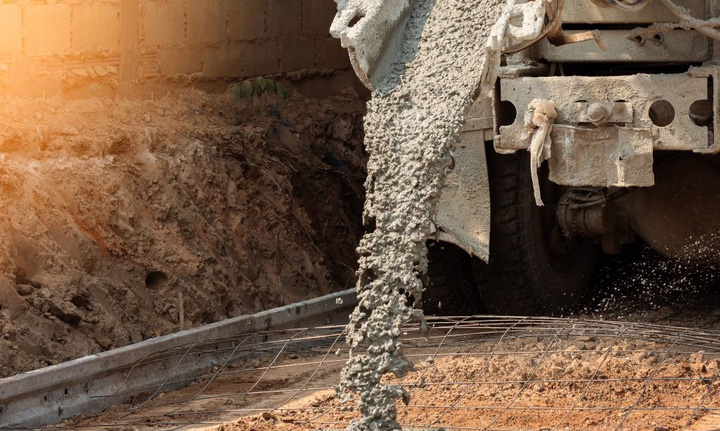
When it comes to chemical formulation, the ultimate debate often comes down to Triethanolamine TEA vs TIPA (Triisopropanolamine). Both additives serve as excellent grinding aids, but understanding their distinct chemical behaviors is key to achieving true mill performance optimization.
The choice between TEA and TIPA largely depends on the specific performance goals of your cement plant and the mineralogical composition of your clinker.
● Triethanolamine (TEA): TEA is highly valued for its ability to significantly accelerate the hydration of cement at early stages (1 to 3 days). It works by accelerating the formation of ettringite, which helps the cement set and harden faster initially.
● Triisopropanolamine (TIPA): Conversely, TIPA shines in enhancing late-stage compressive strength (28 days). It achieves this by promoting the hydration of the ferrite phase ($C_4AF$), leading to a more compact and durable cement matrix over time.
Beyond strength development, both chemical compounds drastically improve the physical mechanics of the milling process. During clinker grinding, particles tend to agglomerate due to electrostatic forces generated by the fracture of chemical bonds. This agglomeration cushions the impact of the grinding media, reducing efficiency.
By introducing high-quality alkanolamine additives, producers can neutralize these surface charges. This prevents the cement particles from coating the grinding balls and mill liners. The results are clear:
● Reduced energy consumption per ton of cement.
● Improved powder fluidity and material flowability.
● Optimized particle size distribution (PSD).
Ultimately, investing in the right chemical balance directly translates to enhanced cement grinding efficiency and lower operational costs.
Every cement plant operates under unique conditions, from the specific chemistry of the raw materials to the mechanical parameters of the grinding systems. There is no one-size-fits-all formulation.
As a trusted partner in global chemical distribution, Bewellchem construction chemicals division is dedicated to helping you navigate these technical choices. We supply premium-grade TEA and TIPA, ensuring consistent quality and reliable supply chains for your manufacturing needs. Whether your goal is maximizing early-stage turnover or boosting long-term structural integrity, our team can help you source the exact chemical components required to fine-tune your formulas.
Ready to optimize your cement formulations and elevate your mill performance? Contact the Bewellchem team today to request data sheets, samples, or a technical consultation. Let’s build stronger, together.


留言
扫描关注微信 :

扫描至 WhatsApp :


 支持 IPv6 网络